Haridwar, Uttarakhand
A guided Do Dham circuit covering Kedarnath and Badrinath with hotel stays, all transfers from Haridwar, and an experienced yatra coordinator throughout.
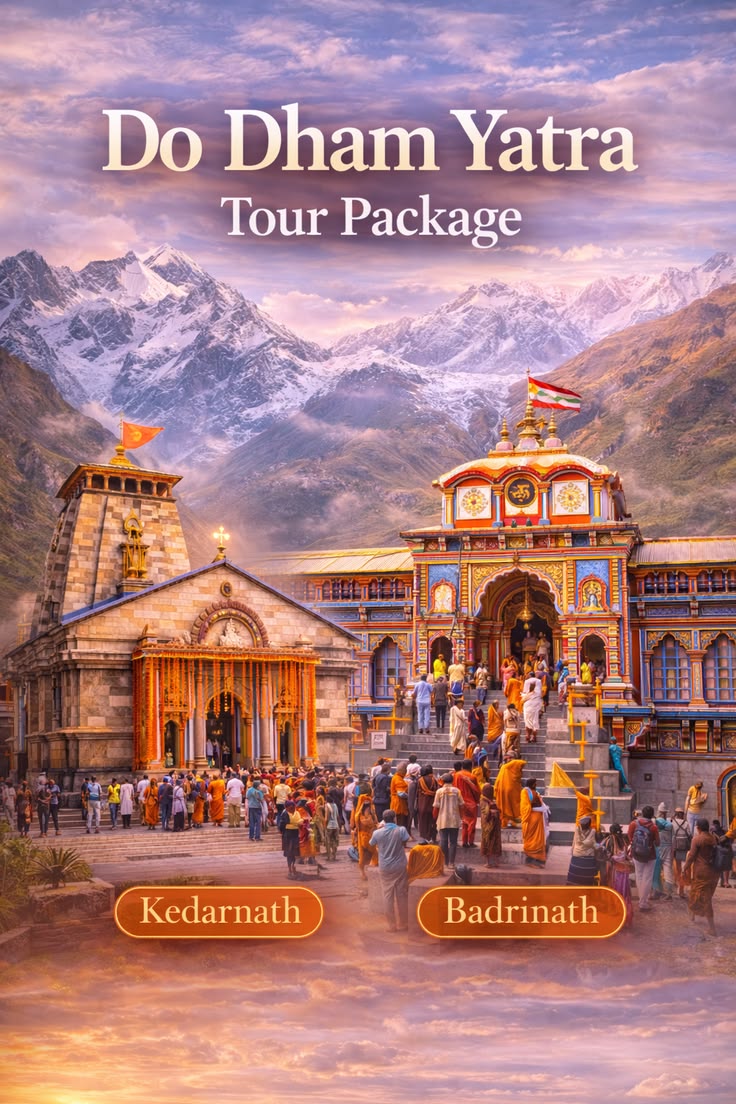
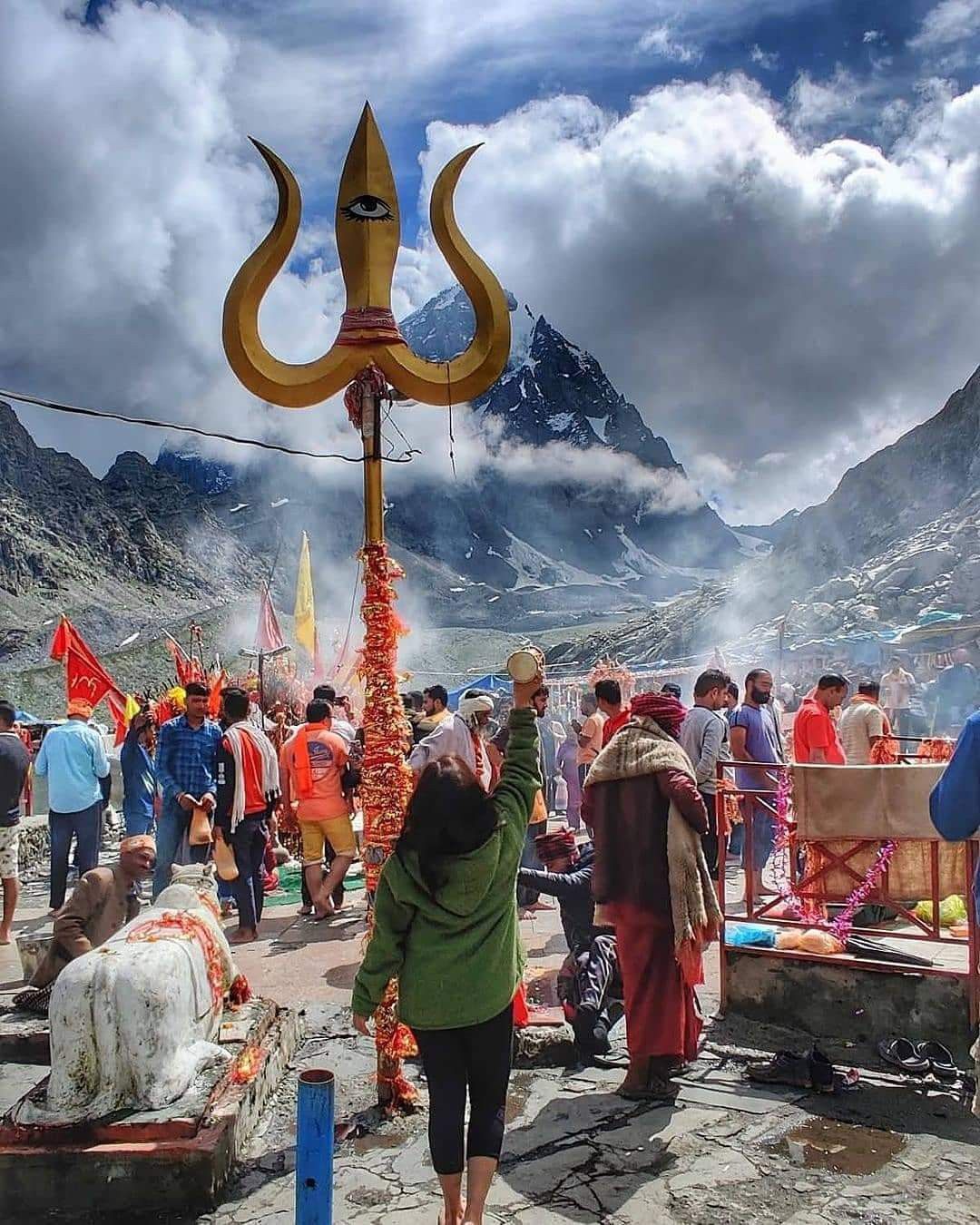
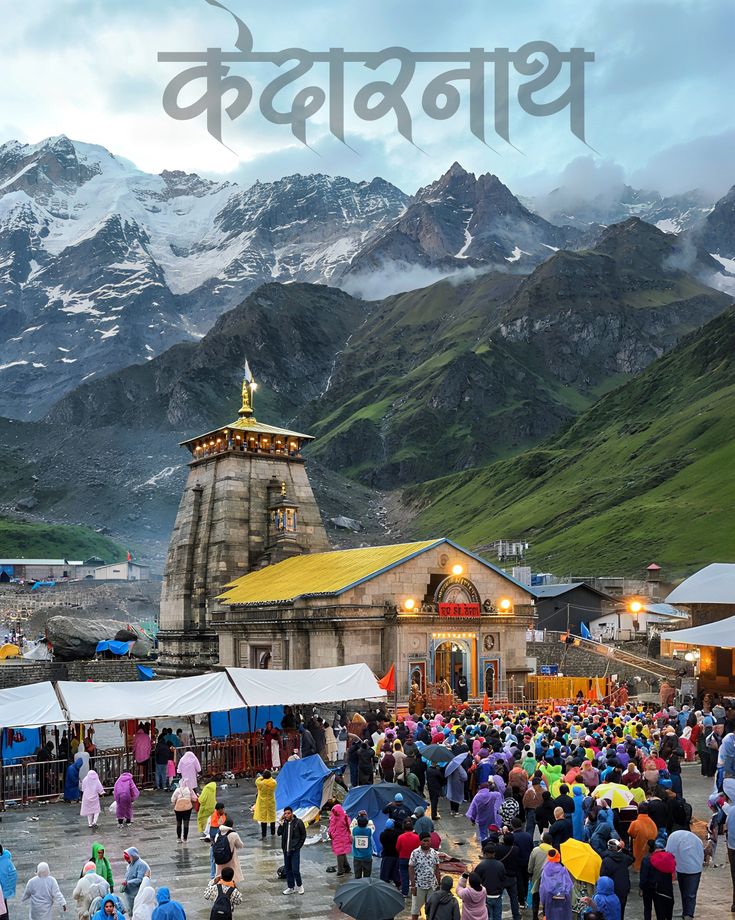
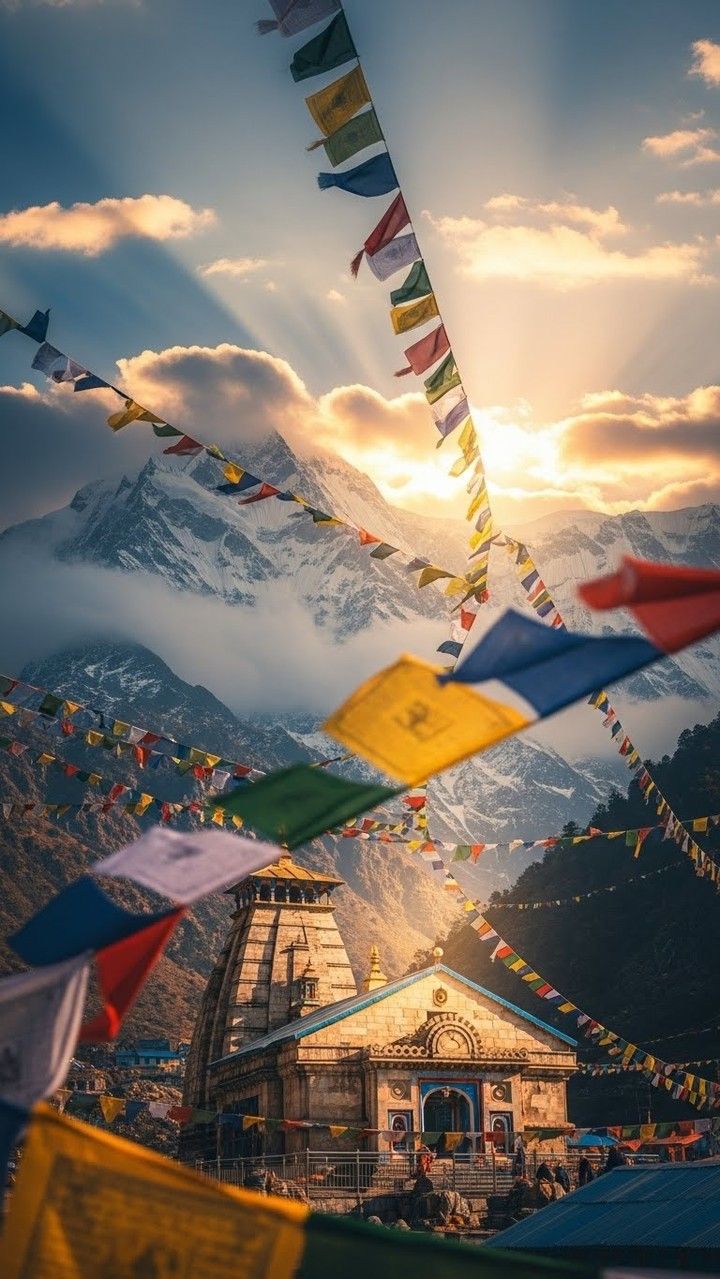
The Do Dham Yatra covers two of the most sacred shrines of the Garhwal Himalaya. Kedarnath Temple, one of the twelve Jyotirlingas of Lord Shiva, stands at 3,583 m beside the Mandakini river, guarded by the massive Kedarnath peak. Legend holds that the Pandavas sought Shiva's blessings here after the Mahabharata war, and the 8th-century philosopher Adi Shankaracharya revived the shrine in its present form. Badrinath, dedicated to Lord Vishnu, was also established by Adi Shankaracharya and finds mention in the Vedas and Puranas as Badrikashram, a seat of meditation. Together, these two dhams form the heart of the Uttarakhand pilgrimage circuit — a journey of faith through some of the most dramatic mountain scenery in India.
Highlight: Devprayag & Rudraprayag confluences, Ardh Narishwar Temple
Distance covered: 210 km / Time taken: 8-9 hours
Details:
Early morning, we drive up to Guptkashi via the Devprayag and Rudraprayag route, which offers breathtaking glimpses of the rivers Alaknanda and Mandakini. One interesting fact is that the Mandakini actually originates near Kedarnath, which only adds to the spiritual energy that makes this entire trip special. While driving alongside the river, we soon find ourselves at the Ardh Narishwar temple at Guptkashi. After taking some time to visit the temple and offer prayers, we check into our hotel and take the night to recuperate.
Highlight: 16 km trek to the Jyotirlinga, evening darshan
Distance covered: 30 km drive + 16 km trek (or helicopter) / Time taken: 2 hours drive + 6-8 hours trek
Details:
After breakfast we drive to Sonprayag, the roadhead for Kedarnath. From Gaurikund begins the classic 16 km pilgrimage trail along the Mandakini valley — pony, palki and helicopter options are available for those who prefer not to walk. We reach Kedarnath by afternoon, freshen up, and attend the evening darshan and aarti at the Jyotirlinga shrine before retiring to our accommodation for the night.
Highlight: Morning aarti at Kedarnath, Bhairavnath temple
Distance covered: 16 km trek + 30 km drive / Time taken: 6-8 hours trek + 2 hours drive
Details:
We wake early for the morning aarti at Kedarnath and visit the Bhairavnath temple that guards the shrine. After darshan we descend the same beautiful trail to Gaurikund, drive back to Guptkashi, and spend the evening at leisure at our hotel.
Highlight: Drive via Chopta and Joshimath, evening Badrinath darshan
Distance covered: 190 km / Time taken: 7-8 hours
Details:
Today we drive through Chopta — the “Mini Switzerland” of Uttarakhand — and Joshimath, the winter seat of Lord Badrinarayan. Crossing the Alaknanda at Karnaprayag and climbing along the river, we arrive at Badrinath by evening. After checking in, we walk to the temple for darshan and the evening aarti on the banks of the Alaknanda.
Highlight: Mana village — the last Indian village, Vyas Gufa and Bhim Pul
Distance covered: 155 km / Time taken: 6-7 hours
Details:
In the morning we visit Mana, the last Indian village on the Tibet border. We see Vyas Gufa, where Ved Vyas is said to have dictated the Mahabharata, Ganesh Gufa and Bhim Pul, the natural stone bridge over the Saraswati. We then drive down to Rudraprayag — the holy confluence of the Alaknanda and Mandakini — for the night.
Highlight: Return drive along the Alaknanda and Ganga
Distance covered: 160 km / Time taken: 6-7 hours
Details:
After breakfast we drive back to Haridwar along the same sacred river route, watching the Alaknanda merge into the plains. We drop you at Haridwar by evening with memories of both dhams, darshan complete.
Hotel stays (twin sharing), Breakfast and dinner, Tempo Traveller transfers, Yatra coordinator, All permits
Helicopter tickets, Lunch, Pony/palki charges, Personal expenses
Members save ₹1,000 – ₹2,000 on this trek — and on every trip they book with Oktrek.
Member price: ₹14,999 (for 1–2 travellers)
See full terms & conditions →